 Furrow & Feather
Founding Story And Commitment To Rigour
Furrow & Feather started because most animal writing online had become interchangeable: the same ten claims, rewritten in the same ten ways, with no indication of where any of it originally came from. The founder, a former regional newspaper journalist, got tired of seeing recycled advice presented as researched fact and decided to build something slower and more careful instead.
That meant hiring writers who actually keep, breed or work with the animals they cover, and building a house rule that no factual claim runs without a named source behind it. A second editor reads every piece before publication specifically to catch claims that sound right but aren't actually backed by anything.
It also meant being upfront with readers: no sponsored posts dressed up as articles, a public log when we get something wrong, and a topic-suggestion form that genuinely feeds the publishing schedule rather than sitting there unused.
Accuracy Over Speed
We'd rather publish a piece a week late than publish one that's wrong. Readers seem to prefer that trade as well.
Plain Language
We avoid jargon where a plain word will do, and explain any technical term the first time it appears in a piece.
Open About Mistakes
When we get something wrong we say so publicly and fix it, rather than quietly editing the page and hoping no one noticed.

We check every fact the same way twice, once against the source and once against plain common sense. If a claim doesn't survive that, it doesn't run.
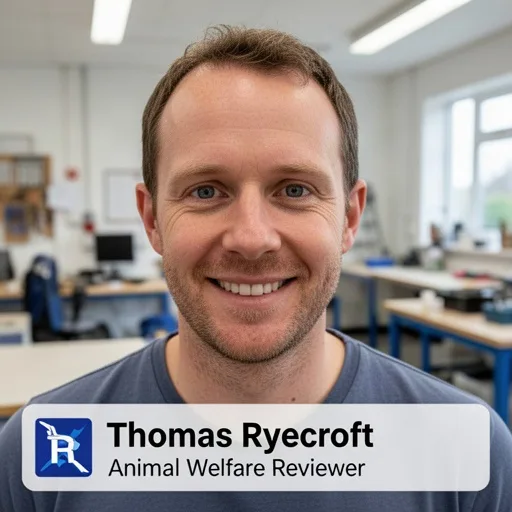
My job is mostly to slow the writers down and ask where a claim actually comes from before it gets published.
We started this journal because most animal writing online is recycled marketing copy dressed up as advice, and it rarely holds up to a second reading. Every piece we run is edited for accuracy first and for readability second, in that order, and we say so when we get something wrong.
Contacts