 Furrow & Feather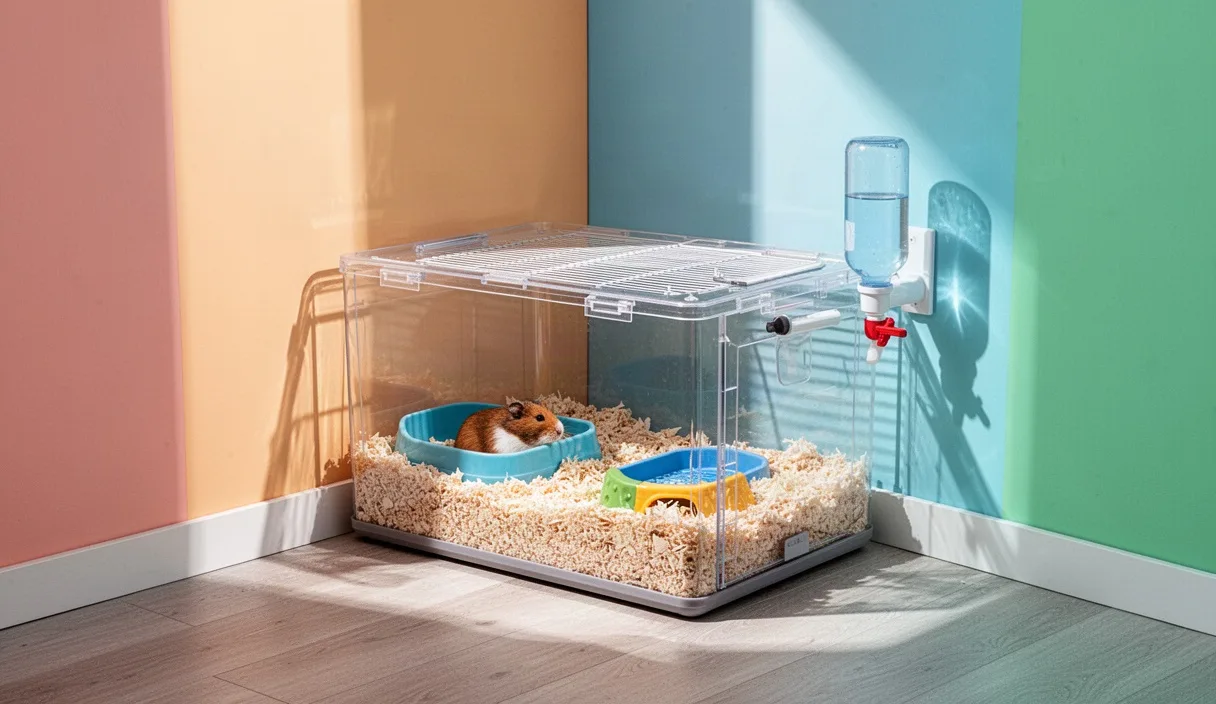
Apartment living imposes a specific set of constraints that most pet-care literature glosses over in favour of broader claims about which animals are "easy." The truth is less tidy: easy for whom, in what square footage, with which neighbours on the other side of a shared wall. A rabbit that thrives in a suburban house with a garden run is a different proposition in a fourth-floor walk-up with thin plaster and a downstairs neighbour who works night shifts. The right small pet for an apartment is less about the species' general reputation and more about matching its specific needs against the specific limitations of the building.
This guide compares six commonly kept apartment species, rabbits, guinea pigs, hamsters, rats, budgerigars, and leopard geckos, across the practical dimensions that actually determine whether the arrangement works: space, noise, social requirements, and lifespan. None of these animals is inherently unsuitable for apartment life, but each carries trade-offs that are worth working through before acquisition rather than after.
What apartment living actually restricts
The most obvious restriction is floor space, but it is rarely the only one, and often not the most important. Lease terms frequently prohibit certain species outright, particularly larger caged birds or anything classified as exotic by the landlord's insurance policy; checking the tenancy agreement before bringing an animal home is not optional diligence, it is the first step. Weight limits on furniture-adjacent flooring can matter too: a large multi-level rabbit enclosure or a tall bird cage on wheels needs a stable, level surface, which older apartment floors do not always provide.
Ventilation and humidity control are less discussed but equally relevant. Reptiles such as leopard geckos need a stable thermal gradient, typically 88 to 92 degrees Fahrenheit on the warm side and 70 to 75 on the cool side, and apartment heating systems that cycle on and off unevenly can make this harder to maintain than a manufacturer's care sheet suggests. Small mammals, meanwhile, are sensitive to draughts near windows and to the dry air produced by forced-air heating in winter, which can aggravate respiratory issues in guinea pigs particularly.
The final restriction is one of proximity: apartment walls, floors, and ceilings transmit sound and, in some cases, smell, in ways a detached house does not. This is the reason noise and odour management deserve their own sections below rather than a passing mention.
Space and enclosure requirements compared
Minimum enclosure sizes are frequently understated in pet-store literature, which tends to quote the smallest legally or commercially acceptable figure rather than what allows for reasonable quality of life. The following figures reflect recommendations from rescue organisations and veterinary behaviourists rather than manufacturer packaging.
- Rabbits: a single rabbit needs a minimum of 12 square feet of continuous living space plus several hours of supervised or enclosed exercise time daily; a hutch alone, however large, is not sufficient without a run.
- Guinea pigs: a pair needs at least 7.5 square feet of cage floor, and cage manufacturers' standard offerings are almost always smaller than this, meaning most owners end up building or buying a custom enclosure.
- Hamsters: Syrian hamsters need a minimum of 450 square inches of unbroken floor space, deeper bedding than most starter cages allow (at least 6 inches, for digging), and this figure is larger than what most pet-shop starter kits provide.
- Rats: a pair needs a multi-level cage with roughly 2 cubic feet of space per rat, and vertical space matters more here than for most rodents since rats are active climbers.
- Budgerigars: a pair needs a cage at least 30 inches wide, sized for horizontal flight rather than height, plus daily time outside the cage in a bird-proofed room.
- Leopard geckos: a single adult needs a 20-gallon long tank at minimum, with floor space prioritised over height since geckos are ground-dwelling.
A studio apartment of 500 square feet can comfortably accommodate any of the smaller options on this list, but a rabbit's exercise run, if set up permanently, will occupy a meaningful fraction of the living area, which is worth measuring out with tape on the floor before committing to a layout.
Noise levels by species and time of day
Noise is the factor most likely to generate a complaint from a neighbour, and the species vary considerably both in volume and in the hours during which they are active.
| Species | Typical noise | Active period |
|---|---|---|
| Rabbits | Mostly silent; occasional thumping when startled | Dawn and dusk (crepuscular) |
| Guinea pigs | Wheeking, chirping, moderate volume at feeding times | Daytime, with some evening activity |
| Hamsters | Quiet vocally, but wheel and cage noise at night can be significant | Nocturnal |
| Rats | Low vocal noise, occasional chewing and cage rattling | Crepuscular to nocturnal |
| Budgerigars | Frequent chirping, some screeching, can be loud for a caged bird | Daytime, especially morning |
| Leopard geckos | Essentially silent | Nocturnal, but inactive rather than noisy |
The hamster's nightly wheel noise deserves particular attention because it is the single most common cause of buyer's remorse among first-time small-pet owners in apartments: a metal wheel on a cheap cage can produce a rhythmic squeak audible through a bedroom wall at 2 a.m., and the fix, usually a solid-surface silent wheel, is not always mentioned at the point of sale.
Budgerigars are the loudest animal on this list by a clear margin, and while a single bird is quieter than a bonded pair, keeping a single budgie long-term raises the social welfare concerns discussed in the next section.
Social needs and whether a pair or group is required
Several of these species are not well suited to solitary life, and this has direct consequences for enclosure size, cost, and noise, since two animals of most species require more space and produce roughly double the activity of one.
Guinea pigs are herd animals and welfare organisations, including the RSPCA and the ASPCA, generally advise against keeping a single guinea pig except under veterinary guidance for specific medical reasons; a lone guinea pig can become withdrawn and inactive. Rats show a similar pattern: they are highly social and a single rat, however much attention it receives from its owner, does not have the same enrichment as one with cagemates. Budgerigars, likewise, are flock birds and a solitary bird will often direct its social energy toward the owner in ways that are demanding of daily interaction time, typically an hour or more outside the cage.
Hamsters are the clear exception among the mammals on this list: Syrian hamsters are strictly solitary as adults and will fight, sometimes fatally, if housed together, so a single hamster is not a compromise, it is the correct arrangement. Leopard geckos are also solitary by nature and males housed together will fight; even male-female pairs are generally not recommended outside of deliberate, monitored breeding setups. Rabbits sit in between: a bonded pair is calmer and arguably easier to manage than a single rabbit, but bonding two rabbits that are not already paired requires a gradual introduction process, sometimes weeks long, and is not guaranteed to succeed on the first attempt.
Typical lifespans and long-term commitment
Lifespan is the variable most likely to be underestimated at the point of purchase, and it has practical implications beyond sentiment, including lease renewals, potential moves, and changes in household composition over the years ahead.
- Rabbits: 8 to 12 years, occasionally longer with good veterinary care.
- Guinea pigs: 5 to 8 years.
- Hamsters: 2 to 3 years, the shortest commitment on this list.
- Rats: 2 to 3 years, similar to hamsters despite the larger size difference.
- Budgerigars: 5 to 10 years, sometimes longer indoors.
- Leopard geckos: 15 to 20 years, occasionally exceeding 20 with consistent husbandry, which makes them a substantially longer commitment than their small size might suggest.
The mismatch between apparent size and actual lifespan is worth flagging specifically for leopard geckos, since a small, quiet animal in a tank is easy to underestimate as a short-term responsibility when in fact it may outlast several apartment leases, and in some cases several house moves.
A short comparison summary for quick reference
| Species | Best for | Main drawback in an apartment |
|---|---|---|
| Rabbits | Owners with floor space and time for daily exercise supervision | Exercise-run footprint; long bonding process for pairs |
| Guinea pigs | Owners wanting a social, daytime-active pet | Cage size requirements exceed most retail products |
| Hamsters | Owners wanting a low-maintenance solitary pet | Nocturnal noise from wheel and cage activity |
| Rats | Owners wanting an interactive, intelligent pet | Short lifespan; needs a bonded pair or group |
| Budgerigars | Owners tolerant of daytime noise and daily out-of-cage time | Vocal volume; needs a companion bird for welfare |
| Leopard geckos | Owners wanting a quiet, low-allergen pet | Very long lifespan; specific heating equipment required |
Common mistakes
The most frequent error is buying the enclosure sold as a "starter kit" rather than researching the minimum size independently; many commercial hamster and guinea pig cages fall well below welfare-organisation recommendations. A second common mistake is acquiring a single social animal, most often a guinea pig or budgerigar, without accounting for the extra space and cost of a companion. A third is underestimating heating costs and complexity for reptiles: a leopard gecko's under-tank heater and thermostat need to be checked regularly, and a professional reptile vet, not a general practice, should be consulted if the animal shows lethargy or appetite loss, since these can indicate improper temperature gradients rather than illness alone.
Practical next steps
Before acquiring any of these animals, check the tenancy agreement for pet clauses and any species-specific exclusions, then measure the intended enclosure space against the minimums listed above rather than against what a retailer displays as standard. It is worth speaking to a veterinarian experienced in exotic or small-animal care, particularly for rabbits, rats, and reptiles, about routine checkups even before symptoms appear, since regular care schedules differ meaningfully from cats and dogs. Finally, consider the lease cycle and any plans to move within the animal's expected lifespan: a rabbit or leopard gecko acquired now may still be a household member well beyond the current tenancy, and it is easier to plan for that at the outset than to work around it later.